RI lawmakers look for solution in a small state with a big problem: nowhere to send sludge
Resolution calling for 19-member study commission comes as Woonsocket looks to close regional incinerator
‘Chaos’ ahead
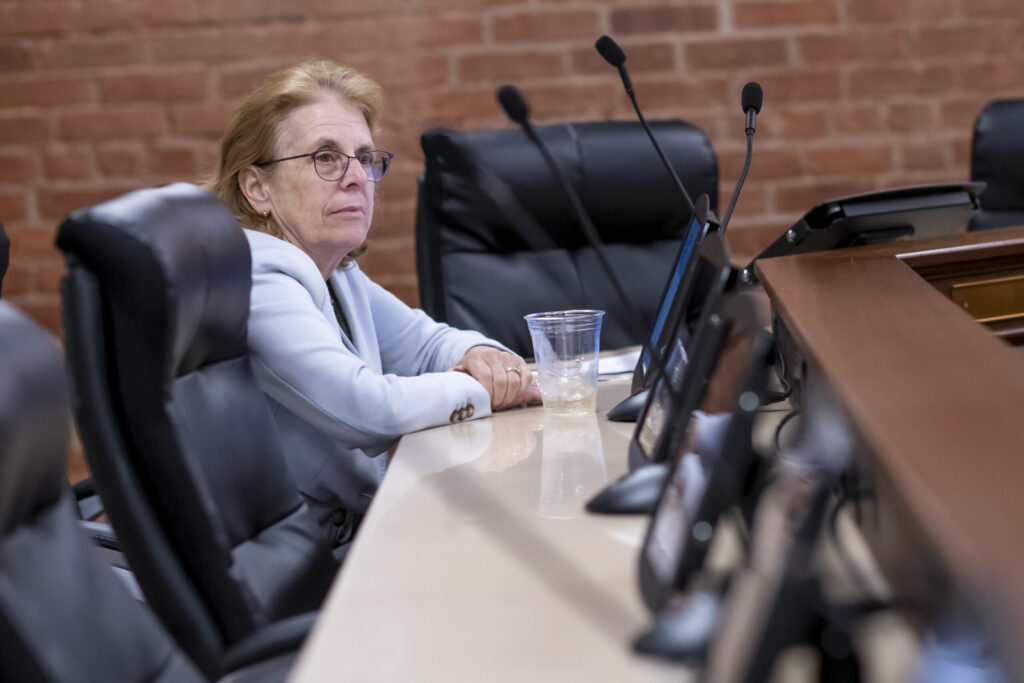
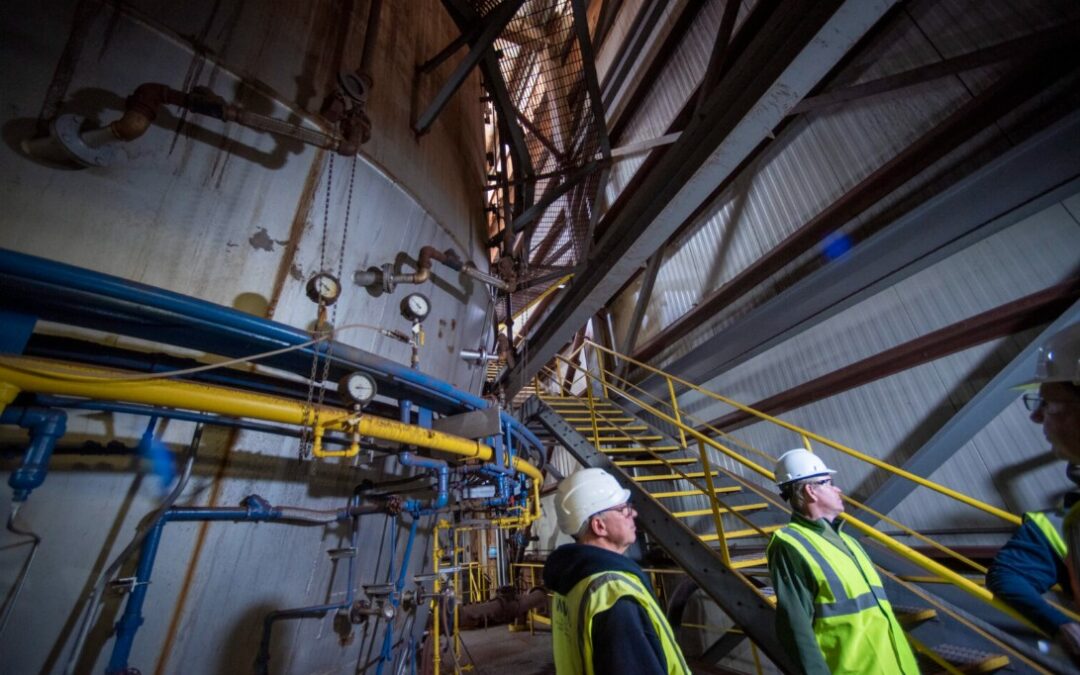
Woonsocket city officials are adamant the stinky sewage business is no longer their responsibility. But ceasing operations for the facility which serves more than 30 cities and towns, alongside major businesses across the region, would wreak havoc on the state, said Burke-Wells, who heads the North East Biosolids and Residuals Association.
“It’s the largest incinerator in the region,” Burke-Wells said. “When equipment breaks or things go down, it’s chaos. We cannot survive in the region without them.”
The only other incinerator in Rhode Island, in Cranston, is roughly half the size, and already near its capacity. And the Rhode Island Resource Recovery Center, which can recycle sludge in limited capacity, is approaching its limit too.
“We need a plan,” Burke-Wells said. “Right now, there’s no plan.”
Cortvriend’s resolution leaves the answer open-ended, tasking a 19-member panel of lawmakers and industry experts, including Burke-Wells, with conducting a comprehensive study and review of existing sludge management options to identify statewide solutions. Recommendations which consider cost, environmental and climate impacts, would be due to the Rhode Island General Assembly by Jan. 5, 2027.
Meanwhile, Woonsocket leaders are still talking to the Narragansett Bay Commission in hopes the quasi-public clean water agency could buy its wastewater plant and shut down the incinerator. Councilman James Cournoyer said in a phone interview Wednesday that negotiations with the commission are “progressing,” with the intent of producing something tangible to present to the council in the next few weeks.
A spokesperson for the commission did not immediately respond to inquiries for comment.
Cournoyer declined to share details of the ongoing negotiations. But he was adamant that the city is done burning others’ sludge.
“At this point, it’s giving the city nothing but grief,” he said. “The city is firm and unanimous in its intent to have the incinerator shut down.”
Shutting down the incinerator comes with a price for Woonsocket residents. Right now, the city gets its own sludge treated for free, while bringing in $3 million in annual host fees plus a share of royalties from the two private contractors that operate its wastewater treatment plant.
Rep. Robert Phillips, a Woonsocket Democrat whose district borders the wastewater plant, acknowledged that a combination of new fees and tax increases are needed to offset the revenue losses from closing the incineration operations. But like Cournoyer, Phillips thinks the benefits of cutting ties with sludge outweigh the downsides.
Woonsocket Mayor Christopher Beauchamp did not immediately respond to requests for comment.
Wanted: a new host
Burke-Wells points to newer, more modern incinerators and high-heat waste burning facilities as a solution that can minimize the smell, noise and other nuisances posed by Woonsocket’s aging equipment. But finding an alternative site to host a new regional incinerator — the long-term goal of the regional biosolids association — means winning over residents and municipal leaders who might not be keen to welcome sewage to their neighborhood.
“It will be a challenge to find someone willing to host,” Burke-Wells said.
A separate bill by Rep. Michlle McGaw, a Portsmouth Democrat, also being heard by the House Environment Committee Thursday, seeks to ban high-heat waste incineration. But unlike prior iterations of the failed legislation, which encompassed all forms of waste burning technology, this year’s bill is limited to plastic-burning plants. McGaw said Wednesday she tweaked the bill after speaking with Cortvriend about the need to employ high-heat technology to burn sludge.
McGaw still thinks it’s “less than ideal,” noting the potential safety and health implications of the “advanced recycling” process known as pyrolysis.
But, “in the absence of a better solution to what is a necessary process, we need to make accommodations,” McGaw said.
As Burke-Wells points out, the sewage keeps accumulating even as the disposal options dry up.
“We can’t stop moving, the sludge doesn’t stop being generated,” she said. “We need a plan that diversifies our outlets so we’re not so totally reliant on one place or one thing.”
Until that plan emerges, West Warwick will keep sending its sludge to Ohio’s Tunnel Hill Reclamation Landfill. It costs more than twice as much as what the facility paid Woonsocket, but at least it’s reliable, Chapdelaine said.